Written by: Su Peixuan Natalie (TCM Physician)
ver wondered what Traditional Chinese Medicine (TCM) practitioners mean when they talk about “meridians” and “acupoints”? Do our bodies really have invisible lines and dots?
Meridians and Acupoints from TCM Perspectives
TCM views the human body as an interconnected system. Meridians and acupoints are important concepts that help explain how different parts of the body are linked. They form the theoretical foundation of therapies, such as acupuncture and acupressure.
Unlike blood vessels or muscles, meridians do not correspond to visible anatomical structures. In TCM, they are described as functional pathways that connect the internal organs with the body surface, facilitating the circulation of vital energy, known as Qi, and blood throughout the body.
According to TCM theory, there are twelve primary meridians, each associated with a specific organ system, such as the Lung, Heart, Stomach, and Liver meridians. These pathways are believed to help maintain normal physiological activities by supporting the movement of Qi and blood. A well-regulated and balanced flow is seen as ideal for wellness.
Along these pathways are specific locations known as acupoints. They are regarded as important sites for regulation of Qi, blood and organ functions, acting as gateways along the meridians. When stimulated, these points may produce sensations such as heaviness, soreness, numbness or a spreading feeling. In TCM, this response is known as De Qi, or the “arrival of Qi”, and is regarded as a sign that the point has been effectively stimulated. Appropriate acupoint stimulation is believed to help remove energy blockages, promote balance and body’s natural healing response.
Meridians and Acupoints from Modern Scientific Perspective
While TCM attributes the effects of stimulating acupoints to the flow of Qi, modern research has attempted to explore the possible mechanisms behind meridians and acupoints from biological and medical perspectives.
Some researchers have suggested that fascia, the webs of connective tissues around our body, could be the basis of meridians and acupoints.1 Others suggest that effects of acupoints may involve nervous system, as some acupoints are located in areas where nerves concentrate.2 Findings also noted that acupuncture may influence pain modulation, regulate inflammatory responses and improve local circulation.3
However, the exact biological basis of meridians and acupoints remains unclear. Research in neuroscience, medical imaging, and biomedicine continues to investigate how acupoint stimulation may produce physiological effects and clinical benefits.
Applications and Potential Benefits
TCM practitioners often use the theory of meridians and acupoints as part of the diagnostic and treatment process, understanding patterns of discomfort and imbalance. Acupuncture and acupressure massages are built on these bases and are often used for symptom management and health maintenance.
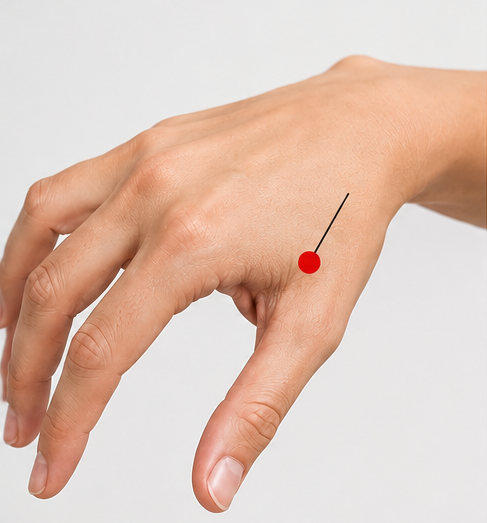
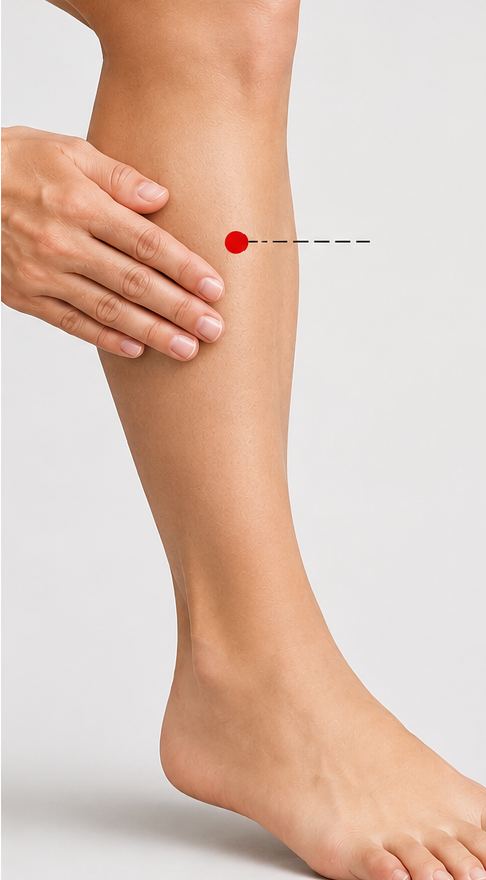
A distinctive feature of acupoints is that points located far from the area of discomfort may be selected for treatment. For example, the He Gu (LI4) point located on the hand is traditionally used to help manage frontal headaches. The Zusanli (ST36) point on the leg is commonly used for digestive support and general wellness.
In TCM, this is explained through the interconnected nature of the meridian system. Meanwhile, modern research continues to explore possible neurological and physiological mechanisms that may contribute to these effects.
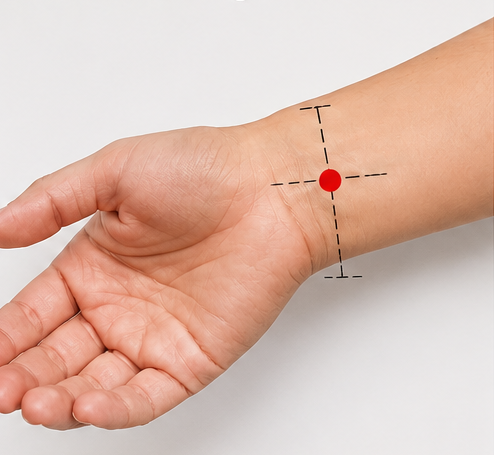
Different acupoints have different traditional applications. Some commonly used acupoints include:
 Serangoon TCM Centre: